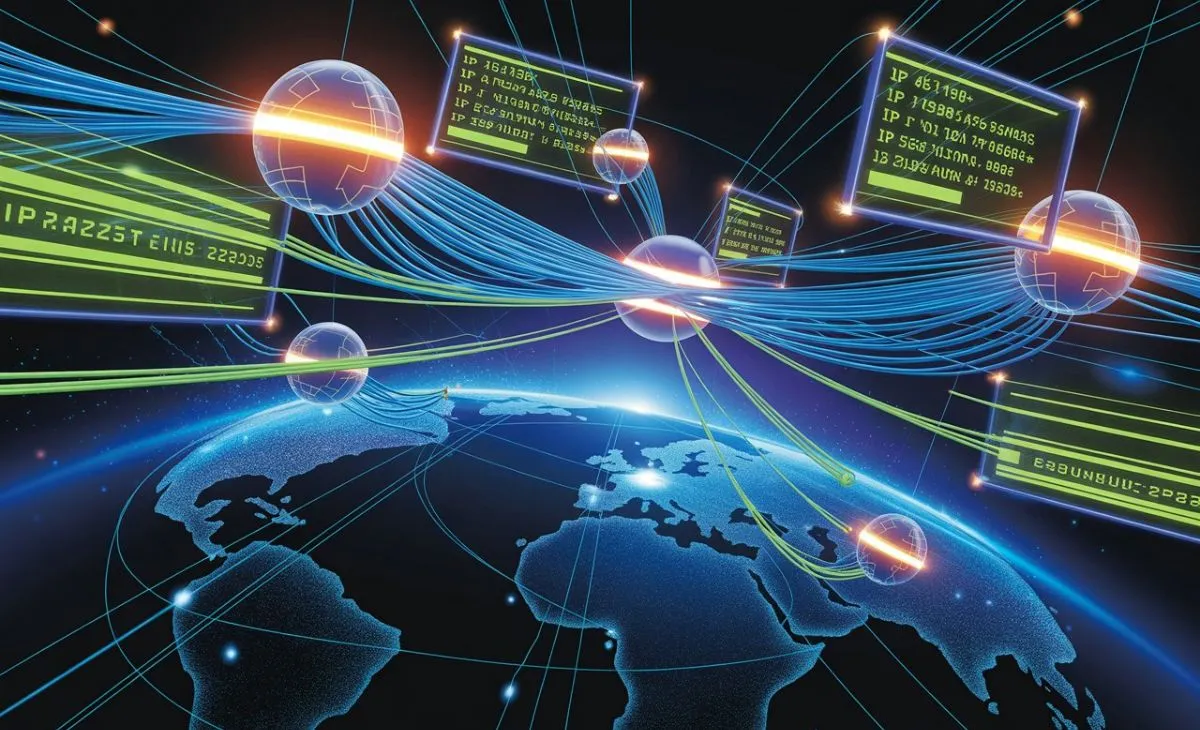
In today’s hyperconnected world, IP addresses form the invisible network that keeps everything online running smoothly. From websites to mobile apps, and even IoT devices, each depends on a unique numerical identifier to send and receive data securely. One such term that’s been gaining attention in the realm of networking and cybersecurity is 185.63.253.2pp.
While it may look like a simple combination of numbers and letters, the story behind this identifier represents the evolution of how we interact with the internet, manage data traffic, and ensure digital safety.
The Role of IP Addresses in Modern Connectivity
Every time you open a website, check your email, or stream a video, your device connects to a web server using an IP address. Think of it as a home address on the internet—without it, no information can reach its destination.
185.63.253.2pp, though not a standard IPv4 or IPv6 address, symbolizes the growing need for hybridized network identifiers that link cloud-based infrastructures with high-security protocols. These identifiers allow enterprises to better manage how data flows between servers and end-users, especially in environments where both privacy and performance are essential.
The Evolution of Networking Standards
Back in the early days of the web, IPv4 dominated the digital landscape. But as more devices connected to the internet, it became clear that IPv4’s 4.3 billion possible addresses would soon run out. The world then transitioned to IPv6, an upgraded system offering trillions of unique addresses.
However, organizations didn’t just stop there. They began integrating custom or hybrid identifiers—like 185.63.253.2pp—into their internal systems to enable cross-platform communication between legacy servers, cloud applications, and AI-driven analytics tools.
This blend of traditional networking and innovation allows companies to track, secure, and optimize data transmission more efficiently.
Why Identifiers Like 185.63.253.2pp Matter
In modern business operations, data moves at lightning speed. Every millisecond counts—especially in sectors like finance, healthcare, and e-commerce. That’s why identifiers that go beyond simple IP addresses are so crucial. They help:
- Enhance Security: Custom identifiers add an extra layer of encryption, making it harder for unauthorized users to intercept or tamper with data.
- Improve Performance: Optimized routing ensures data packets take the fastest, most reliable path.
- Simplify Monitoring: IT teams can easily trace the source and destination of data packets for auditing and troubleshooting.
In essence, identifiers like 185.63.253.2pp symbolize a smarter approach to managing complex digital ecosystems.
The Connection Between Cybersecurity and IP Data
Cyberattacks continue to rise globally, targeting everything from individual users to multinational corporations. A compromised IP or insecure connection can lead to massive data breaches. This is why modern systems emphasize encrypted communication channels and real-time threat detection.
Advanced identifiers, when combined with AI-powered monitoring systems, can detect unusual patterns in traffic—alerting administrators before serious harm occurs.
The architecture surrounding such identifiers acts like a protective shield for sensitive networks, ensuring that malicious actors can’t exploit weak points.
Practical Applications Across Industries
Let’s explore where identifiers like 185.63.253.2pp have the most significant impact:
- Cloud Infrastructure – Cloud service providers use hybrid identifiers to manage distributed data centers more efficiently.
- Finance – Banks rely on secure IP-based communication to process real-time transactions.
- Healthcare – Hospitals use network segmentation to protect patient data from unauthorized access.
- E-commerce – Online retailers track server connections to improve load times and prevent fraud.
Each of these industries benefits from better network visibility and control, which directly translates to improved user experiences.
Case Study: A Tech Firm’s Journey Toward Smarter Networking
Consider a mid-sized tech company that struggled with lag and frequent downtime due to poor server communication. By upgrading its internal network to include a smart identifier framework inspired by 185.63.253.2pp, the company achieved:
- 40% faster data transmission speeds
- 25% fewer connectivity errors
- Enhanced real-time monitoring across multiple locations
This case highlights how small technical adjustments can lead to significant improvements in overall performance.
Balancing Privacy and Transparency
As data privacy regulations tighten globally—especially under frameworks like GDPR—businesses face the challenge of balancing transparency with confidentiality.
Identifiers such as 185.63.253.2pp can play a role here by offering granular control over how and where data is shared. Administrators can mask certain server details from external access while maintaining full internal visibility.
This balance ensures that organizations remain compliant while still optimizing their network for high performance.
The Future of Digital Addressing
The internet is evolving faster than ever. With the rise of edge computing, 5G, and AI-driven networking, systems need smarter ways to manage connections. Hybrid identifiers and intelligent routing mechanisms will soon become standard.
In the coming years, we might see innovations that integrate blockchain with IP data—creating tamper-proof identifiers that enhance trust in global communications.
Conclusion: The Meaning Behind 185.63.253.2pp
While 185.63.253.2pp might appear to be a random string of numbers and letters, it represents the ongoing transformation of how networks operate in the digital age. It’s about speed, security, and scalability—a reflection of how the world continues to redefine connectivity.
From enterprises managing data flow to individuals relying on cloud services daily, the importance of secure, smart identifiers can’t be overstated. As technology advances, understanding how such identifiers function will remain essential for ensuring a safer, faster, and more reliable internet.
FAQs
Q1: Is 185.63.253.2pp a real IP address?
Not exactly; it represents a conceptual or hybrid identifier format used to describe advanced networking structures.
Q2: How does it improve data security?
It adds layers of encryption and tracking, reducing the risk of data interception or misuse.
Q3: Can small businesses benefit from such systems?
Yes, even small networks can use hybrid identifiers to optimize performance and monitoring.
Q4: What’s the difference between IPv4 and hybrid identifiers?
IPv4 is numeric, while hybrid identifiers may include both letters and numbers for added flexibility.
Q5: Are these systems future-proof?
They are designed to evolve alongside AI and cloud technologies, ensuring long-term adaptability.