
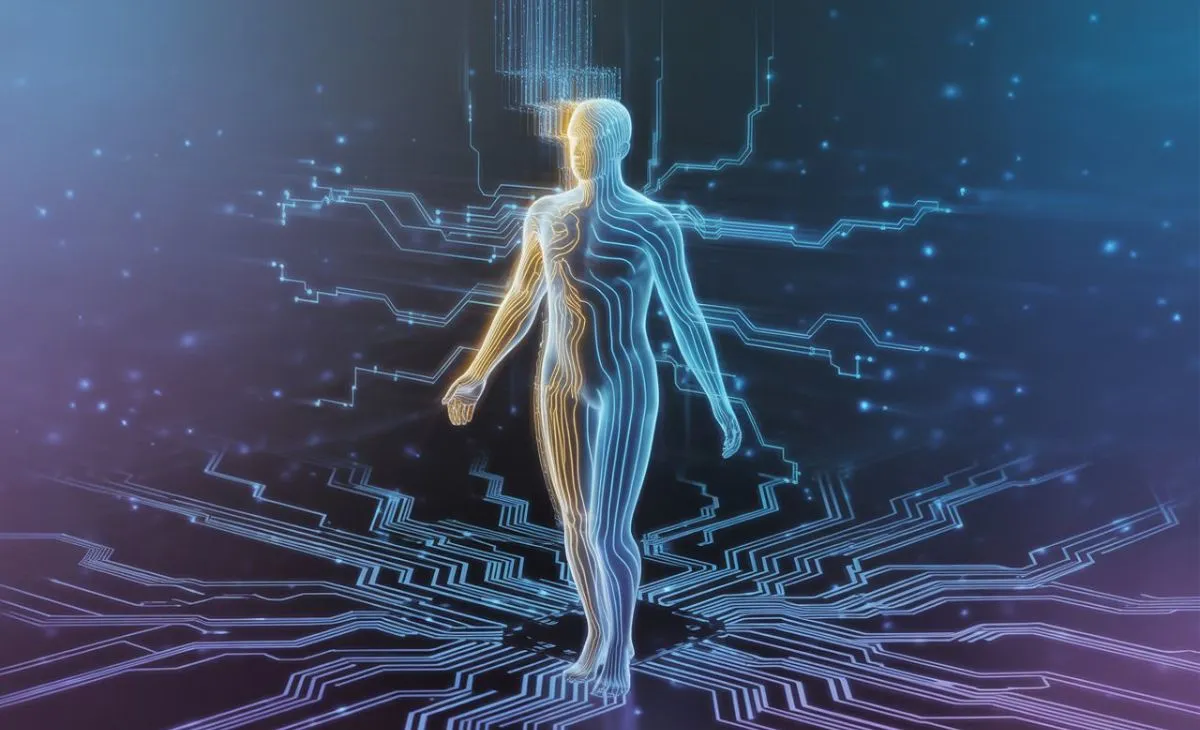
Technology is no longer a silent helper in our lives—it’s a powerful partner in everything we do. From smart homes that adapt to our habits to machines that learn and predict human behavior, innovation has redefined daily living. Yet, behind all this progress lies a greater question: how do we ensure that technology enhances humanity, rather than replacing it? This is where the emerging idea known as cñims finds its place.
The term captures a forward-thinking philosophy—one that encourages harmony between human intelligence and machine capability. It’s not about building robots to outsmart us; it’s about designing systems that work with us, amplifying our creativity, compassion, and potential.
The Meaning and Essence of Cñims
At its heart, cñims symbolizes the convergence of cognitive intelligence and computational power. It’s the blending of human insight and machine logic into one seamless process of decision-making and innovation.
Imagine a world where technology doesn’t just execute commands, but understands the intent behind them. That’s the spirit of cñims—a framework that transforms machines into true partners rather than mere tools.
It’s built on three pillars:
- Empathy: Understanding human emotion and adapting to it.
- Intelligence: Using data and learning systems to improve outcomes.
- Balance: Ensuring progress aligns with human values.
Together, these principles form the foundation of a more ethical, sustainable technological world.
How Cñims Shapes the Future of Innovation
In today’s digital age, innovation often prioritizes efficiency over empathy. While speed and precision matter, humanity is about connection—and that’s what makes cñims revolutionary.
This concept redefines innovation in three key ways:
- Human-Centered Design: Technology should begin with human needs, not technical capabilities.
- Collaborative Intelligence: Combining data-driven insights with human judgment.
- Sustainable Progress: Ensuring development respects both people and the planet.
The outcome? Smarter, more responsible innovation that empowers rather than overwhelms.
Applications Across Modern Industries
1. Healthcare
Imagine a medical system where diagnostics, treatment, and patient care are guided by both data and empathy. With intelligent analytics, doctors can detect diseases earlier, while compassionate technology ensures patients feel seen and understood. Cñims embodies that partnership—where AI supports physicians without stripping away the human touch.
2. Education
Personalized learning platforms are revolutionizing how students learn. By blending human intuition with digital adaptability, cñims-based systems can adjust lessons to fit each learner’s style and speed. This ensures that education remains inclusive and emotionally engaging.
3. Business and Enterprise
In modern business, success depends on foresight. Predictive analytics powered by cñims principles help leaders understand patterns, minimize risks, and design better products. Yet, it also encourages ethical practices—reminding companies that data should serve people, not exploit them.
4. Environmental Sustainability
From energy-efficient cities to smart farming, the integration of human values with intelligent design promotes a healthier planet. Machines can measure and predict, but humans decide how to act. Cñims reinforces that decision-making should always be mindful and responsible.
Core Benefits of the Cñims Philosophy
- Enhanced Productivity: Merging intuition with automation creates faster, more accurate results.
- Smarter Decision-Making: Data becomes meaningful when combined with human reasoning.
- Emotional Intelligence in Technology: Systems that adapt to human moods and needs.
- Ethical Innovation: A conscious effort to prevent misuse of technology.
- Long-Term Sustainability: Balancing progress with responsibility ensures lasting growth.
Two Areas Where Bullet Points Shine
Workplace Transformation Through Cñims
- Improved collaboration between human employees and digital assistants.
- Reduction in repetitive tasks, allowing more focus on creativity and problem-solving.
- Inclusive work environments where automation supports diversity and accessibility.
- Transparent analytics that empower smarter business decisions.
Daily Life Integration
- Smart homes learning human habits to enhance comfort and energy efficiency.
- Digital companions assisting with scheduling, learning, and emotional health.
- Healthcare wearables predicting early symptoms of illness.
- Voice assistants that understand emotion and context.
The Ethical Challenge
Every powerful idea comes with responsibility. As intelligent systems evolve, so do the risks—bias in algorithms, misuse of data, and the potential for dehumanization. The cñims mindset insists that ethics should evolve alongside innovation.
By prioritizing transparency and accountability, we can build trust between humans and technology. It’s not enough to create smarter machines; we must also ensure they are fair, secure, and aligned with universal human rights.
Case Example: Smart Learning Through Empathy
A university in Europe recently introduced a pilot project inspired by cñims principles. They used an AI tutor that didn’t just teach but understood emotional cues from students. When learners showed signs of frustration, the system adapted the difficulty or provided encouraging feedback.
The result? A 40% improvement in learning retention and a 30% increase in student satisfaction. This experiment proved that technology becomes transformative when it understands not only what we do—but how we feel.
The Future Ahead
The next chapter of global innovation depends on intelligent empathy. We are heading into a world where decisions, from medical diagnoses to financial investments, will rely on smart algorithms. But those systems must reflect our best human traits—curiosity, compassion, and ethics.
Cñims isn’t just a technological framework; it’s a moral compass for innovation. It invites us to ask not only what machines can do but what they should do. The future it envisions is not dominated by artificial intelligence, but shaped by augmented humanity—humans enhanced, not replaced.
Conclusion
The evolution of technology is unstoppable, but how we direct it is entirely in our hands. Cñims offers a vision of progress that’s not just smart, but soulful. It reminds us that the greatest innovation isn’t found in faster processors or larger databases—it’s found in the connection between human and machine.
By embracing this philosophy, we move toward a world where technology reflects humanity’s best traits—our empathy, our creativity, and our shared desire to make life better for all.
FAQs
Q1: What does cñims represent?
It represents the fusion of human cognitive intelligence with advanced digital systems, emphasizing cooperation over competition.
Q2: How does it improve daily life?
By embedding empathy and adaptability into technology, creating tools that understand and serve real human needs.
Q3: Is it a specific product or an idea?
Cñims is not a product—it’s a guiding principle that can influence how products and systems are designed.
Q4: Can small organizations adopt it?
Absolutely. Even small teams can apply its principles by combining creativity with responsible technology use.
Q5: What’s the ultimate goal of this philosophy?
To create a future where human intelligence and technology grow together in harmony, ensuring ethical and meaningful innovation.