In the rapidly evolving world of technology, data has become the foundation of modern decision-making. Among the most crucial forms of data is geographic information—details about the Earth’s surface, landscapes, and human infrastructure. These insights power everything from urban planning to climate studies. Within this context, JR Geo represents a forward-thinking approach to mapping, analytics, and intelligent location-based solutions that are transforming how we understand and interact with our world.
Geographic systems have always been important, but their role has changed dramatically over the past decade. Once used solely by government agencies and environmental researchers, mapping technologies are now essential in nearly every field. Whether a company is delivering food, tracking logistics, or studying deforestation, accurate location data drives efficiency and sustainability. JR Geo symbolizes this digital transformation—an ecosystem built on precision, accessibility, and innovation.
The Evolution of Geographic Intelligence
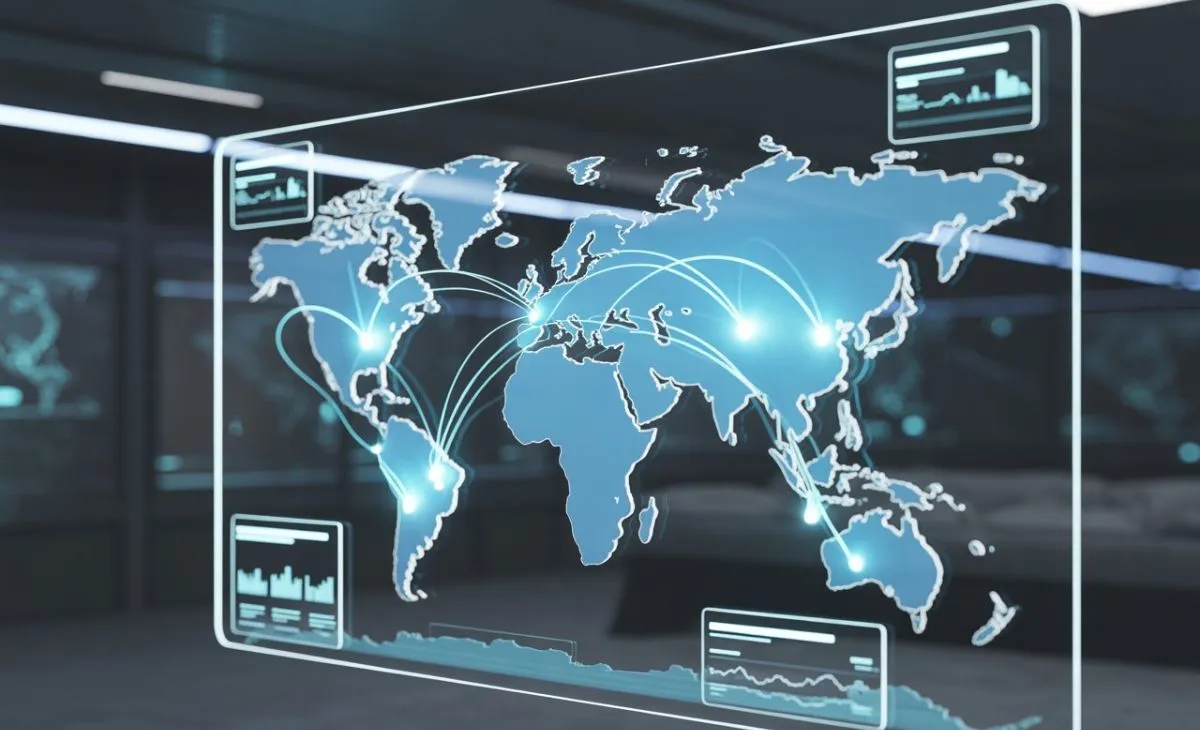
A generation ago, maps were static tools. They showed cities, mountains, and rivers, but they couldn’t explain movement or change. Today, geographic data is dynamic—it tells stories in real time. Satellites, drones, and sensors capture billions of data points daily, creating a living map of our planet. This information helps decision-makers act faster and smarter.
JR Geo’s philosophy embodies this shift. It emphasizes how data visualization can bridge the gap between raw numbers and practical action. By combining advanced geospatial analytics with intuitive design, this model allows people—from scientists to everyday users—to interpret geography in meaningful ways.
Modern geographic systems no longer serve just as maps; they act as predictive engines. They reveal patterns in climate shifts, traffic flow, and population growth. This is where the concept of JR Geo shines—transforming static location data into living intelligence that empowers sustainable choices.
How Technology Is Reshaping Mapping
Technology has completely redefined what mapping can do. Satellite imaging now captures every detail of Earth’s surface with incredible precision. Artificial intelligence can detect environmental changes automatically, while cloud-based systems make maps instantly accessible worldwide.
The approach behind JR Geo leverages these innovations to enhance accuracy and usability. Advanced data layering allows users to combine weather, terrain, and urban metrics into one coherent picture. Whether used in agriculture, logistics, or emergency response, the goal is the same: to provide insight at the speed of need.
Machine learning also plays a vital role. By training algorithms to detect geographic patterns, platforms inspired by JR Geo can forecast trends such as soil erosion, flood risk, or land development potential. The result is a toolset that doesn’t just describe geography—it interprets it.
Practical Applications of Geographic Intelligence
The scope of geographic technology extends far beyond cartography. Governments use it to plan cities, construction firms rely on it for land analysis, and environmentalists depend on it for conservation. The principles that define JR Geo make these tasks faster, more precise, and more collaborative.
In urban development, location data helps planners identify sustainable growth zones and reduce congestion. Transportation networks use real-time mapping to improve traffic flow and emergency routing. Meanwhile, logistics companies rely on spatial intelligence to minimize fuel costs and carbon emissions.
In agriculture, precision mapping allows farmers to monitor soil conditions and optimize irrigation. In healthcare, it enables tracking of disease outbreaks and improving service delivery in remote areas. The adaptability of geographic intelligence makes it indispensable across nearly every industry.
Sustainability and Environmental Awareness
One of the greatest advantages of modern geographic systems lies in their contribution to environmental preservation. Accurate mapping reveals deforestation patterns, pollution sources, and climate vulnerabilities. With tools inspired by JR Geo, environmental scientists can analyze decades of data to design more effective conservation strategies.
By visualizing environmental change, societies can act before disasters occur. Flood prediction systems, wildfire monitoring, and coastal protection models all rely on geographic intelligence. When combined with global collaboration, these technologies enable a proactive approach to sustainability—one where data drives protection instead of reaction.
From Data to Decision: The Power of Visualization
Numbers alone are not enough to drive change. What makes mapping tools truly powerful is their ability to turn raw information into visual narratives. The human brain processes images far faster than text, which is why visualization is central to platforms like JR Geo.
Through interactive dashboards and layered maps, complex datasets become accessible to everyone. Policymakers can visualize demographic shifts, investors can spot emerging markets, and citizens can better understand the impact of urban growth. The beauty of geospatial design lies in its clarity—it translates complexity into comprehension.
Geography Meets Artificial Intelligence
Artificial intelligence is redefining every digital field, and mapping is no exception. In the JR Geo model, AI serves as the interpreter between massive data collections and meaningful conclusions. Algorithms can detect changes invisible to the human eye—like subtle shifts in vegetation that indicate drought, or micro-variations in terrain that predict landslides.
This synergy between geography and AI makes decision-making faster, smarter, and more reliable. It turns reactive systems into predictive ones, helping industries plan for the future with confidence.
The Human Impact of Digital Mapping
Geographic systems are not just technological tools; they shape human lives in real, measurable ways. Navigation apps help drivers reach their destinations safely. Disaster response teams use satellite data to locate survivors after earthquakes or floods. Farmers use soil maps to grow more food with less waste.
These examples show that mapping technology, in essence, is about connection—between people, environments, and data. The JR Geo vision expands on this by focusing on inclusivity and accessibility. Maps should empower everyone, not just experts. By democratizing geospatial technology, such platforms ensure that the benefits of location intelligence reach all communities.
Education and Research Benefits
Geographic education has transformed dramatically in recent years. Interactive maps and real-world data have replaced static atlases and textbooks. Universities and research institutions are embracing technologies similar to JR Geo to teach students about global systems in engaging, hands-on ways.
Through access to open datasets and real-time visualization, students can analyze environmental changes, migration patterns, and economic shifts on a global scale. This hands-on approach fosters critical thinking and problem-solving skills while inspiring the next generation of innovators.
The Future of Geographic Intelligence
As our world becomes more connected, location data will continue to guide innovation. Emerging technologies such as augmented reality, digital twins, and 3D city modeling are making maps more immersive than ever.
The JR Geo philosophy fits naturally into this evolution. It represents not just a tool, but a movement toward smarter, more sustainable use of space and data. The future of mapping lies in integration—linking environmental, social, and economic data into one unified system that supports both local and global goals.
Imagine a world where every decision—whether building a school or designing a transportation system—is informed by real-time geographic data. That is the promise of digital intelligence, and it’s closer to reality than ever.
Conclusion
In an age defined by connectivity, understanding geography has never been more important. The concept of JR Geo reflects how technology, design, and data come together to redefine our relationship with the planet. It’s not just about maps—it’s about meaning.
From predicting climate trends to guiding everyday travel, geographic intelligence shapes modern life in ways we often take for granted. As innovation continues, platforms built on this model will lead us toward smarter, more sustainable decisions—one data point at a time.
The true power of mapping isn’t in the lines or colors on a screen—it’s in the insights that help humanity move forward.