
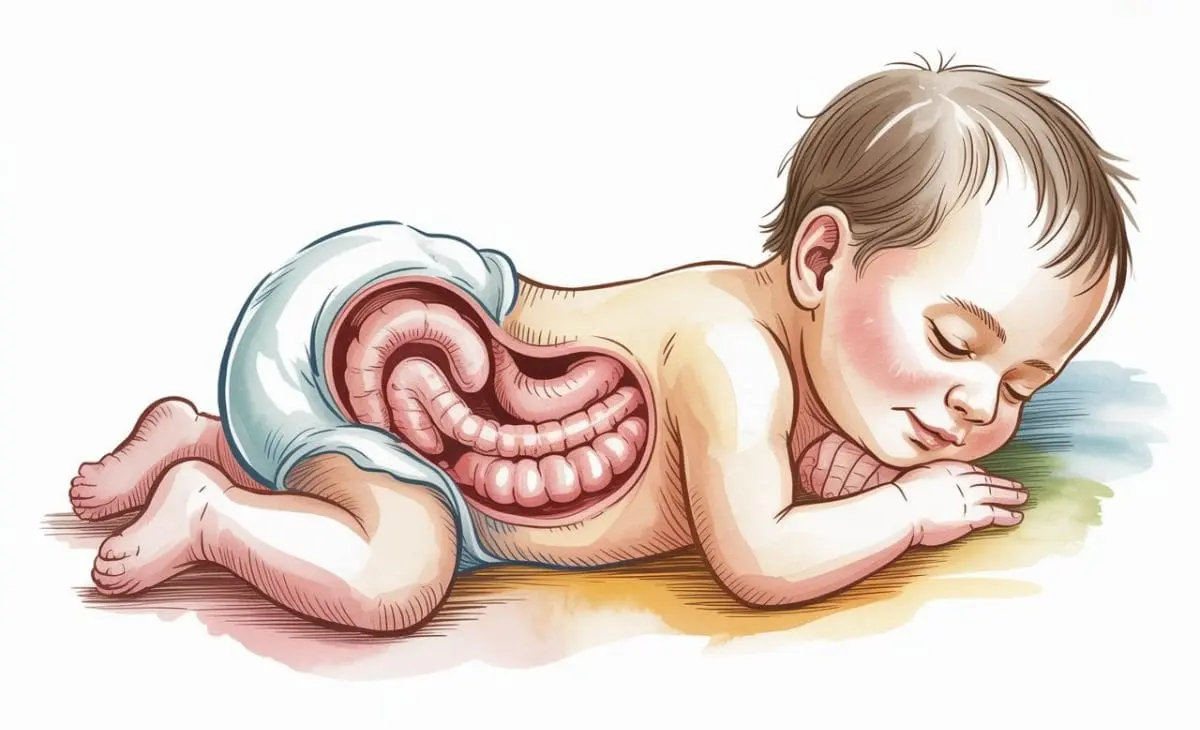
When expecting a child, every parent hopes for a smooth, healthy pregnancy. Yet sometimes unexpected medical conditions appear during prenatal scans, creating confusion and fear. One such condition is gastroshiza, a congenital issue where a baby is born with abdominal organs outside the body. Even though the term may sound alarming, modern medicine has made its treatment highly successful, giving affected newborns the chance to grow, thrive, and live full lives.
This article explains the condition in simple language—its causes, symptoms, treatments, and the emotional journey families go through. The goal is to provide clarity, hope, and helpful guidance for anyone wanting to understand this medical condition.\
What Is This Condition?
Gastroshiza is a birth defect in which an opening forms in the abdominal wall during fetal development. Through this opening, organs such as the intestines may develop outside the baby’s body, usually to the right side of the umbilical cord. Unlike similar conditions, there is no protective sac covering the organs, which is why immediate care at birth becomes critical.
Although rare, it is one of the more manageable congenital abnormalities because surgical repair is usually successful. Most babies diagnosed with this condition recover well, especially when the diagnosis is made early and a specialized medical team is involved.
The keyword gastroshiza often appears in medical literature, but families encountering it for the first time need simple explanations rather than scientific complexity. So let’s break it down in a way that’s easy to understand.
What Causes the Condition?
Researchers have studied this condition for years, but no single cause has been proven. Instead, a combination of genetic, environmental, and developmental factors are believed to contribute. Some of the influences that may increase the risk include:
- Maternal age, especially pregnancies in very young mothers
- Nutritional factors, such as lack of certain vitamins
- Exposure to harmful substances, including smoking or certain medications
- Problems in early abdominal development of the fetus
Even with these risk factors, many cases occur without any clear reason. This is important for parents to know—nothing they did caused the condition. It can happen randomly, and it is not linked to any emotional or physical action taken during pregnancy.
How It Is Diagnosed
Today’s advanced prenatal care makes diagnosis efficient and early. Most cases are detected during a routine ultrasound around the second trimester. The scan shows the infant’s organs outside the abdomen, allowing doctors to prepare a detailed birth plan.
Once diagnosed, the pregnancy is monitored carefully. Doctors may schedule more frequent ultrasounds to track the baby’s growth, the condition of the intestines, and any other complications. Early detection helps ensure that the right surgical team is available at delivery and that the baby receives immediate attention.
In some rare cases, the condition might not be seen until birth, especially in regions with limited access to medical imaging. Even then, newborn care teams are trained to handle such emergencies effectively.
Treatment Options and Hospital Care
Treatment almost always involves surgery, performed shortly after birth. The medical team will evaluate the size of the opening, the amount of intestine outside the body, and whether there are additional complications. There are two primary surgical approaches:
1. Primary Closure
This method is used when the opening is small enough for surgeons to place the organs back into the abdomen immediately. The opening is then closed surgically. Many babies treated this way recover quickly and start feeding within days.
2. Staged Repair (Silo Method)
In cases where the organs are swollen or too many organs have developed outside the body, surgeons use a temporary protective pouch called a silo. Over several days, the organs are gradually moved back into the abdomen. Once everything is in place, the opening is closed.
Both methods are safe and used worldwide. Babies usually remain in the neonatal intensive care unit (NICU) for feeding support, infection prevention, and monitoring. Many newborns with gastroshiza develop very strong recoveries when treated early.
Recovery and Life After Surgery
After the initial surgical repair, babies may take time to adjust. The digestive system might work slowly at first, making feeding a delicate process. Doctors may use a tube or IV line for nutrition until the intestines begin functioning normally.
As the child grows, regular check-ups ensure that the digestive system is developing well. Thankfully, long-term issues are uncommon. Most children go on to live completely normal lives—eating well, playing normally, and reaching developmental milestones.
This reality provides hope to parents facing the condition for the first time. With patience, proper care, and medical support, the future is bright.
Support Systems for Parents
Learning that your newborn will require surgery can be deeply emotional. Parents may feel fear, guilt, and uncertainty. Support during this time is extremely important. The following can help:
- Counseling or therapy for emotional well-being
- Support groups for parents of children with congenital conditions
- Online communities where experiences are shared
- Regular communication with doctors and nurses
Many parents say that understanding the condition is the first step toward feeling in control again. Education turns fear into confidence, and professional support turns worry into strength.
A Real-Life Recovery Story (Case Study)
Maria and Ahmed were excited first-time parents. During a routine ultrasound at 22 weeks, doctors spotted that their baby’s intestines were developing outside the body. The couple was shocked—they had never heard of such a condition before. Their doctor explained that it was gastroshiza and reassured them that modern surgery has an excellent success rate.
The medical team monitored the pregnancy closely. When their son was born, surgeons immediately began treatment. Because the opening was small, they used primary closure. After a few days in the NICU, he gradually started feeding. Within three weeks, he was strong enough to go home.
Today, their child is healthy, energetic, and playful. Aside from a small scar on the abdomen, there is no sign of the condition he overcame. This story shows that early diagnosis, proper care, and emotional support can make the journey manageable and hopeful.
Conclusion
Facing a medical challenge during pregnancy can be overwhelming, but knowledge brings power and calm. Understanding the condition, preparing for treatment, and building a strong support system helps families navigate the journey with confidence. Whether you’re a parent, a caregiver, or simply someone trying to learn, the goal is clear: provide comfort, clarity, and hope.
Babies born with this condition often grow into happy, healthy children who thrive just like any other. With early diagnosis, modern surgery, and emotional support, families can look forward to a bright future.
FAQs
1. Is this condition life-threatening?
With proper medical care, survival rates are very high. Early diagnosis and treatment significantly improve outcomes.
2. Can it be prevented?
There is no guaranteed way to prevent it, but healthy pregnancy habits—no smoking, good nutrition, and regular checkups—help reduce risks.
3. Will the child have long-term problems?
Most children recover fully and grow up without major digestive issues. Regular medical follow-ups ensure everything stays on track.
4. Is it genetic?
In most cases, it is not inherited. It usually occurs randomly during early fetal development.