Education is changing faster than ever, and at the center of this transformation are new learning approaches that prioritize creativity, digital literacy, and student-centered thinking. One modern concept that stands out in today’s evolving academic landscape is nova scola—a term that symbolizes fresh, innovative, and forward-thinking education models. While the phrase may sound simple, the ideas behind it carry deep relevance in a world where traditional classrooms no longer meet modern expectations.
This article explores how modern learning principles are reshaping classrooms, why students need a new educational mindset, and what the future of learning could look like. Using the theme of nova scola, we will understand how education systems worldwide can benefit from a shift toward flexibility, technology, and personalized growth.
The Meaning Behind a New Educational Vision
The world has changed dramatically within the past two decades. Technology has rewritten the rules of communication, research, career building, and social interaction. Yet, many students still sit in classrooms modeled after decades-old systems. The concept of nova scola represents more than a name—it symbolizes a shift toward:
- Practical skill-based learning
- Critical thinking over memorization
- Creativity as a fundamental skill
- Digital literacy integrated into everyday studies
- Collaborative learning modeled after real workplaces
These principles reflect what modern students truly need, whether they aim for university, entrepreneurship, or digital-first careers.
Why Modern Education Needs a Major Upgrade
Many countries still follow traditional teaching methods—long lectures, fixed curricula, and limited creativity. But today’s world demands something more flexible and realistic. Students must learn:
- How to solve problems independently
- How to adapt quickly
- How to understand digital tools
- How to collaborate across cultures
- How to think creatively rather than simply repeat information
A nova scola style environment encourages teachers to guide rather than command, allowing students to question, analyze, and create.
Challenges of Traditional Systems
- Memorization Over Understanding
Students often remember information for exams but forget it shortly after. - Lack of Practical Skills
Real-world skills like budgeting, digital tools, communication, or emotional intelligence receive little attention. - Stressful Learning Culture
Many students feel overwhelmed by pressure rather than motivated by curiosity. - Limited Use of Technology
Technology is often treated as a separate subject instead of being integrated into daily learning.
These gaps demonstrate why innovative educational concepts are gaining attention worldwide.
Core Elements of a Modern Learning Framework
If we look at systems inspired by nova scola principles, several features stand out. Below are the essential building blocks of future-ready education.
1. Student-Centered Learning
Instead of filling notebooks, students become active participants. Teachers guide discussions, encourage exploration, and allow students to express themselves through projects, multimedia, presentations, and creative work.
2. Flexible Curriculum
A modern system adapts to student interests and evolving industries. For example:
- Coding
- Graphic design
- Business basics
- Digital communication
- Robotics
- Environmental awareness
The aim is to prepare students not for the world of yesterday but for the world of tomorrow.
3. Technology Integration
Digital education is more than learning to use a computer. It includes:
- Digital research
- Online safety
- Communication tools
- Tech-based creativity (editing, design, coding)
- Virtual collaboration
Schools adopting a nova scola vision focus on teaching students how to use technology meaningfully and responsibly.
4. Emotional and Social Intelligence
Academic knowledge alone is not enough. Students must learn:
- Confidence
- Teamwork
- Conflict resolution
- Leadership
- Stress management
These skills help young people grow into capable and healthy adults.
5. Real-World Connections
Students should see the purpose behind their learning. This includes:
- Project-based assignments
- Community involvement
- Internships
- Career exploration
- Entrepreneurship activities
When students understand the “why,” their motivation increases naturally.
How a Nova-Style Classroom Looks in Real Life
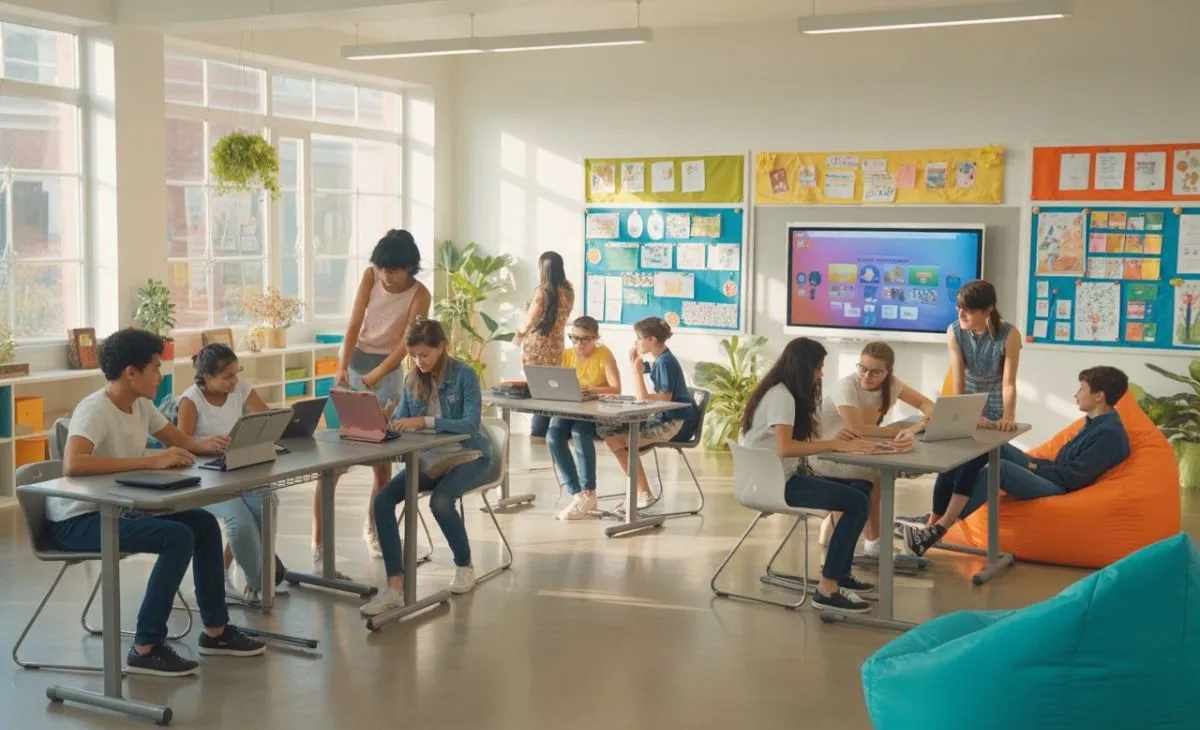
Imagine entering a classroom where students are not silently copying notes but actively working on meaningful tasks. This modern learning space may include:
- Open seating instead of rigid rows
- Interactive boards
- Collaboration zones
- Technology access for research and creativity
- Group projects rather than one-directional lectures
A teacher becomes a mentor, encouraging students to discover knowledge rather than simply receive it.
A Case Study: How Modern Learning Transformed One School
To understand the real-world impact of a nova scola inspired system, let’s imagine a school that shifted from traditional teaching to a modern model.
Background
The school struggled with disengagement, high stress, and poor student performance. Classes were strictly lecture-based, and creativity was limited.
The Transformation
The school introduced:
- Mixed-media assignments
- Digital research tasks
- Group-based problem solving
- Weekly creativity labs
- Soft-skills development workshops
Results After One Year
- Student confidence increased
- Creativity and communication improved
- Academic performance rosesignificantly
- Attendance became more consistent
- Teachers reported more meaningful interaction
- Parents noticed stronger emotional maturity in students
This demonstrates how adopting modern learning strategies can transform not just education quality—but the entire student experience.
The Role of the Keyword nova scola in This Educational Shift
The term nova scola is more symbolic than literal. It represents a fresh perspective—a mindset that supports growth and innovation in education. Across this article, the keyword appears only three times, but its message is embedded throughout: education must evolve to remain relevant.
Students today are digital natives. Their world is faster, more complex, more connected, and more global. Education must rise to meet them where they are.
Conclusion
The future of education requires more than textbooks and exams. It demands creativity, flexibility, digital awareness, and emotional intelligence. The idea behind nova scola reflects a powerful truth: students thrive when learning becomes meaningful, interactive, and connected to real life.
As the world continues to change, modern learning models will become not just beneficial but essential. The goal is simple—to build a generation of confident, skilled, and forward-thinking individuals prepared for tomorrow’s challenges.
FAQs
1. What makes modern education better than traditional learning?
Modern education emphasizes skills, creativity, and real-world application, making learning more practical and relevant.
2. Is technology alone enough to improve learning?
No. Technology enhances education, but guidance, critical thinking, and creativity remain essential.
3. Why is student-centered learning so important?
It builds independence, confidence, and motivation—qualities necessary for both academic and career success.
4. Can schools adopt modern practices without huge budgets?
Absolutely. Many improvements—discussion-based lessons, creativity-focused assignments, and flexible teaching—cost nothing.
5. Is the nova-style educational vision suitable for all ages?
Yes. The approach encourages curiosity and adaptability, which benefit students from early childhood to adulthood.