
Every day, we make dozens of small decisions—what to prioritize, how to manage time, which goals truly matter, and how to stay focused in a noisy world. These decisions may look simple on the surface, but together they shape our energy, productivity, mood, and long-term success. In today’s digital environment, where attention is constantly pulled in different directions, people are searching for easy, human-friendly routines that offer clarity without adding pressure.
That’s why simplified, practical lifestyle approaches have become increasingly popular. One of the ideas influencing this trend is the concept known as candizi—not a strict system or complex tool, but a mindset that encourages clarity, small improvements, and structured daily habits. This article explores how adopting simple, realistic routines can help anyone create a more balanced, productive, and mentally peaceful life. You’ll learn why complicated systems fail, how small habits make a big difference, and how ordinary people transform their lives just by shifting how they plan their day.
How Small Daily Adjustments Create Big Results
When you organize your routine thoughtfully, your efficiency naturally improves. In a world full of distractions, we don’t need more apps or complicated strategies—we need systems that reduce pressure and make life easier, not harder. That’s the purpose behind modern personal-development methods.
Approaches inspired by concepts like candizi focus on reducing overwhelm and helping you place your energy where it truly matters. Instead of running behind an endless to-do list, you create structure that supports your natural rhythm. Most long to-do lists fail because they contain too many tasks and too little planning. That leads to stress, burnout, and incomplete goals.
But when you break tasks into smaller, manageable pieces, everything becomes easier to execute. This is why minimalistic, clarity-driven routines are so effective.
Common habits in such routines include:
- Setting one simple priority each morning
- A 10-minute daily review
- Batching similar tasks
- Short, intentional breaks
- Dedicated focus windows
These habits are not complicated—they simply work. When followed consistently, they make you more disciplined, focused, energetic, and emotionally balanced.
Why Simple Systems Beat Complicated Ones
Many people have experienced this pattern: you download a new planning app, feel excited for a week, and then completely stop using it. It’s not your fault—it’s because the system was too complex to fit naturally into your daily life.
The human brain performs best with simple, predictable patterns. When a system or routine becomes too structured or overwhelming, the mind resists it. That’s why lightweight and flexible approaches—like routines inspired by the idea of candizi—produce better long-term results.
A simple method helps you:
- Reduce mental load
- Improve focus
- Avoid decision fatigue
- Lower stress
- Achieve more with less pressure
Complex methods create frustration. Simple methods create consistency—and consistency is the real foundation of progress. When the steps feel easy, you stick to them every day. When you stick to them, your routine stabilizes, and your life begins to shift in a positive direction.
You don’t need heavy tools to improve; you need habits that support real human behavior.
Case Study: How a Simple Routine Transformed Ayesha’s Life
Ayesha worked from home as a content writer. Her daily life was chaotic—client tasks, personal writing, learning goals, and household responsibilities all mixed together. She often wrote long to-do lists, but out of ten tasks, she would manage to complete only two or three. Naturally, she felt stressed, unproductive, and constantly behind.
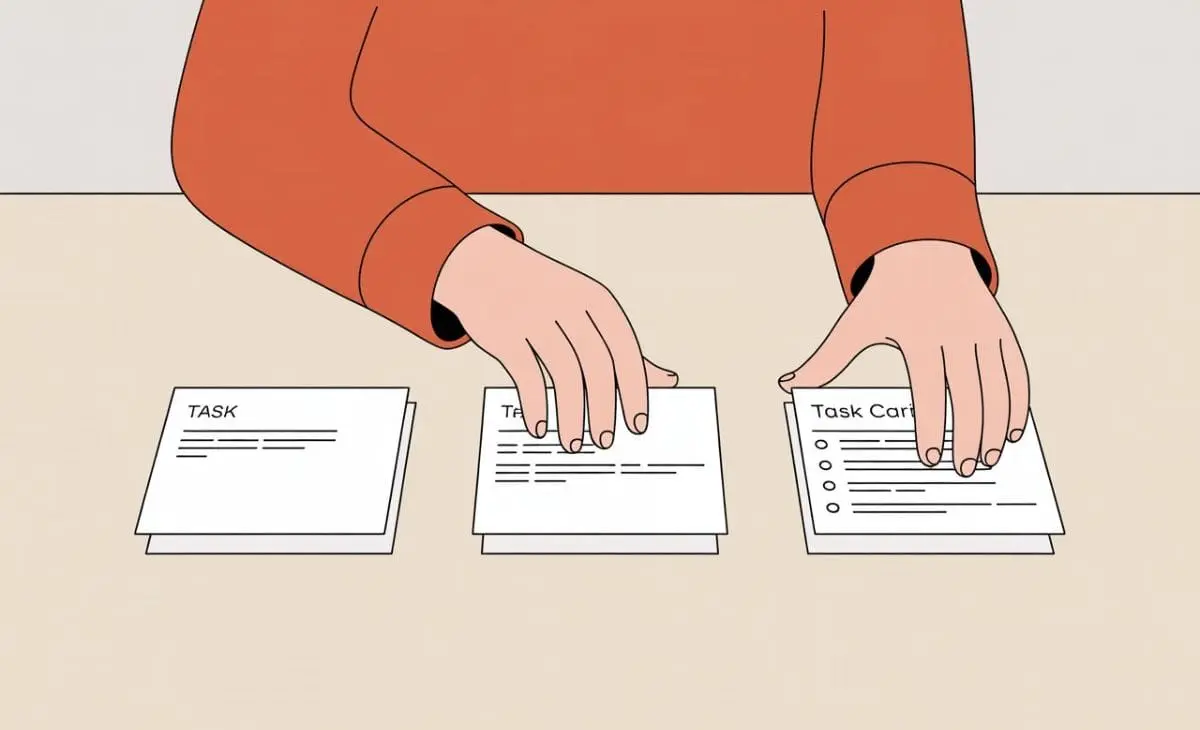
One day, she decided to adopt a more simplified routine. She stopped using complicated apps and divided her day into just three parts:
- Must-Do Tasks (maximum 3)
- Helpful but Optional Tasks
- Quick 5-Minute Wins
She paired this with a 10-minute daily reflection session—a core mindset encouraged by candizi-style thinking.
Within one week, she felt a noticeable difference. Her anxiety decreased, her focus improved, and she stopped jumping between tasks. After two weeks, she consistently delivered client work on time and even regained creative energy for her personal writing.
The lesson from Ayesha’s experience is powerful:
You don’t need more hours in the day. You need smarter habits.
Small adjustments, when done consistently, create meaningful and long-lasting transformation.
Daily Habits That Can Improve Any Lifestyle
These habits are universal—they work for freelancers, students, full-time employees, business owners, and anyone wanting a calmer, more productive life.
Simple and Effective Daily Habits:
- A 2-minute morning clarity check
- Choosing one top priority
- Working in 20–25 minute focus cycles
- Short breaks after each cycle
- A nightly progress reflection
- Preparing tomorrow’s plan before sleeping
Mind-Refresh Techniques:
- A short walk
- Light stretching
- Deep breathing (4-4-4 method)
- Quick journaling
- Calm background music
These small steps regulate your mood, increase your energy, reduce mental clutter, and prevent burnout. Modern lifestyle success is not about doing more—it’s about doing the right things in the right order.
The keyword candizi in this context symbolizes a reminder: choose clarity over complexity, and progress becomes much easier.
Conclusion
Success in today’s world doesn’t come from doing more; it comes from doing things more smartly. When you simplify your routine, remove unnecessary pressure, and adopt small but meaningful habits, your productivity and mental peace grow naturally.
The mindset inspired by candizi teaches us that progress doesn’t need to be complicated. Tiny daily improvements add up to major transformation over time. Whether you want balance, focus, or personal growth, a simple routine is often the most powerful and effective path.
FAQs
1. Is this method suitable for beginners?
Yes. Because it’s simple and flexible, it’s ideal for anyone starting their journey toward better routines.
2. Can this approach work for office workers and freelancers?
Absolutely. The system is universal and can be adapted to any schedule or work style.
3. Does this method help reduce overthinking?
Yes. When your tasks are clear and organized, your mind stays calm and focused.
4. Does it require strict rules?
No. The entire strength of this method lies in its flexibility—you can modify it based on your lifestyle.