
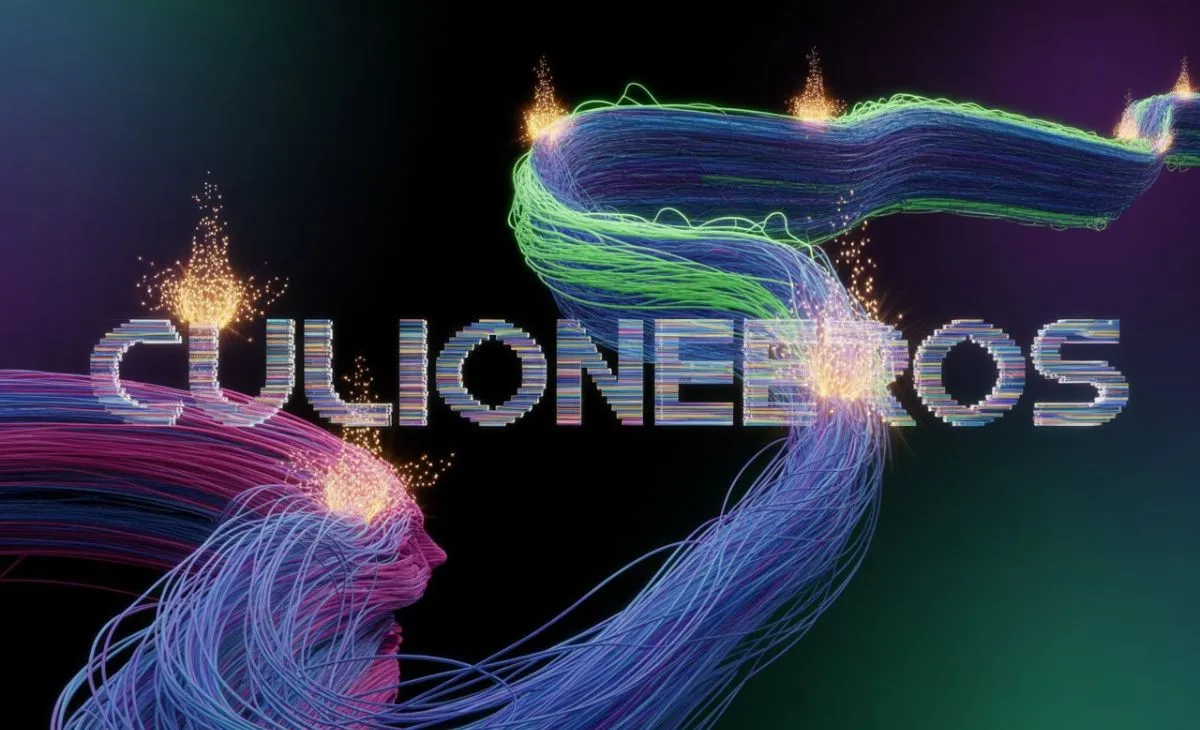
In today’s fast-evolving digital era, certain terms and communities rise from obscurity to global attention almost overnight. One such mysterious yet fascinating name making its way across online platforms is Ciulioneros. Though its origins are somewhat unclear, the phenomenon surrounding it offers an insightful glimpse into how digital subcultures form, spread, and influence online behavior.
This article explores what Ciulioneros represents, why it has drawn curiosity from internet users, and what it reveals about the state of online identity and creative freedom in 2025.
The Origins of Ciulioneros
No one knows for sure where the term “Ciulioneros” first appeared. Some believe it emerged as a username or online handle that later evolved into a digital brand or movement. Others claim it originated from niche creative communities that blend language, art, and humor to create unique digital expressions.
What’s clear is that Ciulioneros has transcended its initial form to become symbolic of innovation, individuality, and creative experimentation in the online world. It represents the new generation of creators and thinkers who refuse to be confined by traditional digital labels.
The Rise of the Digital Identity Movement
To understand Ciulioneros, one must first grasp the concept of digital identity — the persona we build and project online. Over the past decade, the internet has allowed millions to craft unique self-expressions that differ from real-world identities. Platforms like Reddit, X (formerly Twitter), YouTube, and TikTok have given people the tools to experiment freely with creativity, humor, and art.
Ciulioneros fits perfectly into this movement. It reflects how users create alternate worlds, names, and symbols to represent their values, styles, and communities. In many ways, Ciulioneros is not just a name — it’s a statement of online freedom.
The Meaning Behind Ciulioneros
While the literal meaning of “Ciulioneros” might not be found in dictionaries, linguists and digital analysts suggest that it blends elements of cultural playfulness and mystery. In online spaces, abstract names often attract attention because they’re free from assumptions.
Ciulioneros, therefore, stands for:
- Creative Freedom: A space where imagination defines the rules.
- Digital Rebellion: A quiet protest against conformity in online branding.
- Community Energy: A shared identity among those who value originality.
It’s no longer about what the word means — it’s about what it represents to those who use it.
How Ciulioneros Connects People
One fascinating aspect of Ciulioneros is how it builds connection through ambiguity. Because no fixed definition exists, people interpret it differently — allowing diverse groups to find meaning on their own terms.
For some, it’s a community name. For others, it’s an artistic project or even a brand idea. This flexibility fuels engagement because users can participate without needing to follow a rigid framework.
This inclusive, open-ended structure mirrors the way internet culture evolves. Communities grow not through strict rules but through shared emotions, humor, and creativity.
The Role of Art and Media
Digital artists have played a huge part in keeping Ciulioneros visible across creative spaces. Many graphic designers and illustrators have used the name in projects, fictional stories, or music-related concepts.
For instance, on digital art platforms and creative showcases, “Ciulioneros” appears as a signature for imaginative works — often abstract, futuristic, or surreal. This visual element strengthens its identity as an artistic movement rather than a single concept.
In short, Ciulioneros thrives because it invites interpretation — and that openness keeps it alive.
How the Ciulioneros Trend Reflects Modern Internet Culture
Modern internet culture is all about flexibility, identity exploration, and collective creativity. Ciulioneros embodies each of these qualities:
- Fluidity: The word can mean different things depending on the context — similar to memes or viral trends.
- Community-driven energy: People form micro-cultures around shared creativity.
- Mystique: The absence of a clear origin keeps the idea fresh and intriguing.
This trend shows how internet users no longer rely on corporations or media houses to define cultural movements — instead, communities define them together.
Case Study: From Name to Narrative
A small creative studio once adopted Ciulioneros as a project title to test how far a random concept could travel online. Within weeks, the name gained hundreds of mentions across social platforms — not because of paid promotion, but due to its unique aura.
People started using the term to describe art styles, music playlists, and even digital experiences. The experiment revealed how audiences are drawn to authenticity and intrigue — two traits missing from much of today’s oversaturated digital marketing.
The Psychology of Curiosity in Online Naming
Names like Ciulioneros work because they activate a key psychological factor: curiosity. When people encounter something unfamiliar, they want to explore, click, and learn more. This creates organic engagement, which algorithms reward with higher visibility.
It’s no surprise, then, that such mysterious identifiers perform well in content marketing, digital branding, and storytelling. They spark conversations — and conversations build communities.
Why Ciulioneros Is Here to Stay
While most internet trends fade quickly, Ciulioneros continues to hold attention because it’s not dependent on a single medium or person. It adapts. Artists, writers, and creators can reinvent it as they wish, keeping it fresh and culturally relevant.
As long as the internet remains a hub for creativity and connection, Ciulioneros will remain a symbol of individuality and open-ended artistic exploration.
Lessons for Creators and Brands
Here’s what individuals and organizations can learn from Ciulioneros:
- Embrace authenticity: You don’t need to explain everything — mystery invites engagement.
- Encourage collaboration: Let people define your brand alongside you.
- Evolve constantly: Keep your content fluid and adaptable to new trends.
By studying such phenomena, brands can learn to create emotional resonance rather than relying solely on traditional marketing methods.
Conclusion
At its core, Ciulioneros represents a growing online desire for self-expression beyond boundaries. It’s not about fitting into categories — it’s about creating new ones. The term’s power lies in its flexibility, inclusivity, and mystery, making it a digital mirror reflecting today’s creative, ever-changing world.
As we continue exploring new frontiers of art, technology, and communication, Ciulioneros will likely inspire even more creators to redefine what it means to belong in the online age.